
For an overview of Historic Tax Credits (HTCs), check out our article The ABCs of HTCs: Understanding the Terminology of Historic Tax Credits.
Historic rehabilitation tax credits (HTCs) play a crucial role in preserving architectural heritage and revitalizing communities. These credits provide much-needed financial incentives for property owners and developers to rehabilitate and repurpose historic buildings for new uses.
What Are Historic Rehabilitation Tax Credits?
HTCs are incentives provided by federal and state governments to encourage the preservation and rehabilitation of historic buildings. The primary goal is to offset some of the costs associated with the rehabilitation, making these projects more financially viable.
- Federal HTCs: The federal government offers a tax credit equal to 20% of qualified rehabilitation expenditures (QREs) for the certified rehabilitation of income-producing historic buildings.
- State HTCs: Currently, 39 states offer HTC incentive programs for rehabilitation projects. Each state’s HTC program can vary widely in QRE percentage, terms, and qualifying properties.
Financial Benefits of HTCs
“Each year, Technical Preservation Services approves approximately 1200 [federal HTC] projects, leveraging nearly $6 billion annually in private investment in the rehabilitation of historic buildings across the country.” – National Park Service, About the Incentives
The financial benefits of HTCs are significant, as they can substantially reduce overall project costs. Historic buildings, especially those that have been vacant or left to deteriorate, can be costly to repair and convert to new uses. With the help of HTCs, a percentage of qualifying hard and soft costs incurred during the rehabilitation project (the QREs) can be taken as an income tax credit by the property owner.
- Tax Credit Percentages: Federal HTCs provide a 20% credit, while state credits can range from 10% to 25% or more, depending on the state’s specific program.
- Cost Savings: By offsetting rehabilitation costs, HTCs lower the financial burden on property owners. For instance, a project eligible for a 20% federal credit and a 25% state credit could see the equivalent of 45% of its qualifying expenses claimed as tax credits.
HTC Projects in Action
At Lathan Development, we have successfully utilized HTCs in our projects, achieving significant cost savings and ensuring the preservation of character-defining features in historic buildings. These projects maintain the architectural integrity of the buildings while contributing to the local economy through new jobs and services, increased property value, and community revitalization.
Case Study: The Redevelopment of Lincoln High School
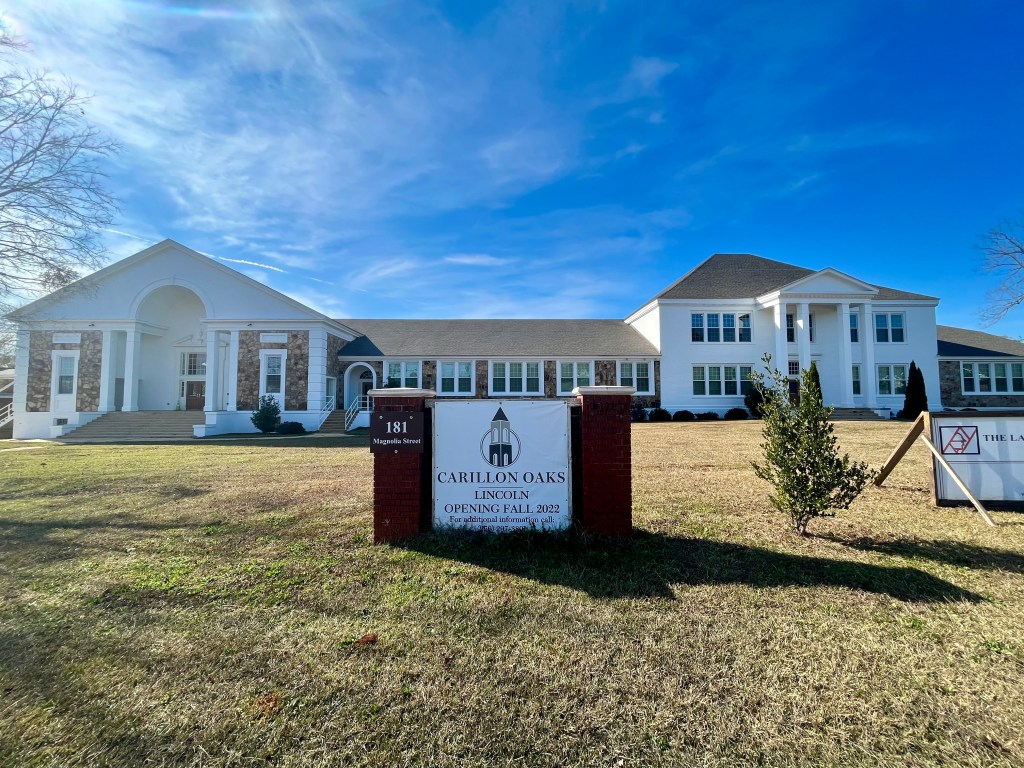
Lincoln High School, also known as Talladega County High School, was built in 1912 with several additions and expansions through the mid-twentieth century. The school was the first countywide high school for Talladega County, operating for 91 years at 181 Magnolia Street in Lincoln, Alabama, before its closure in 2003. What was once a thriving educational institution for the county soon fell into years of vacancy and disrepair.
Lathan Development, in partnership with The Lathan Company and Carillon Oaks, acquired the property in June 2020 with the vision to redevelop the school for much-needed senior living facilities. In 2020, Talladega County had a population of more than 82,000 people, and nearly 20% of that population was age 65 or older. The rural Alabama county was in great need of quality independent and assisted living facilities for its senior population.
The property was listed on the National Register of Historic Places in September 2023, enabling the property to qualify for HTCs. Despite the condition of the building, the combination of state and federal HTCs made the extensive rehabilitation project feasible for redevelopment.
The Lincoln High School rehabilitation included correcting structural damage, restoring historic floors and windows, and adding new health and safety features consistent with Alabama Department of Public Health guidelines. Classrooms were converted into bedroom suites, and the old gymnasium became the community’s dining room and activity space. The school now provides 32 beds for independent and assisted living, 48 beds for memory-care patients in a new construction facility near the school, and employs 100 staff members.
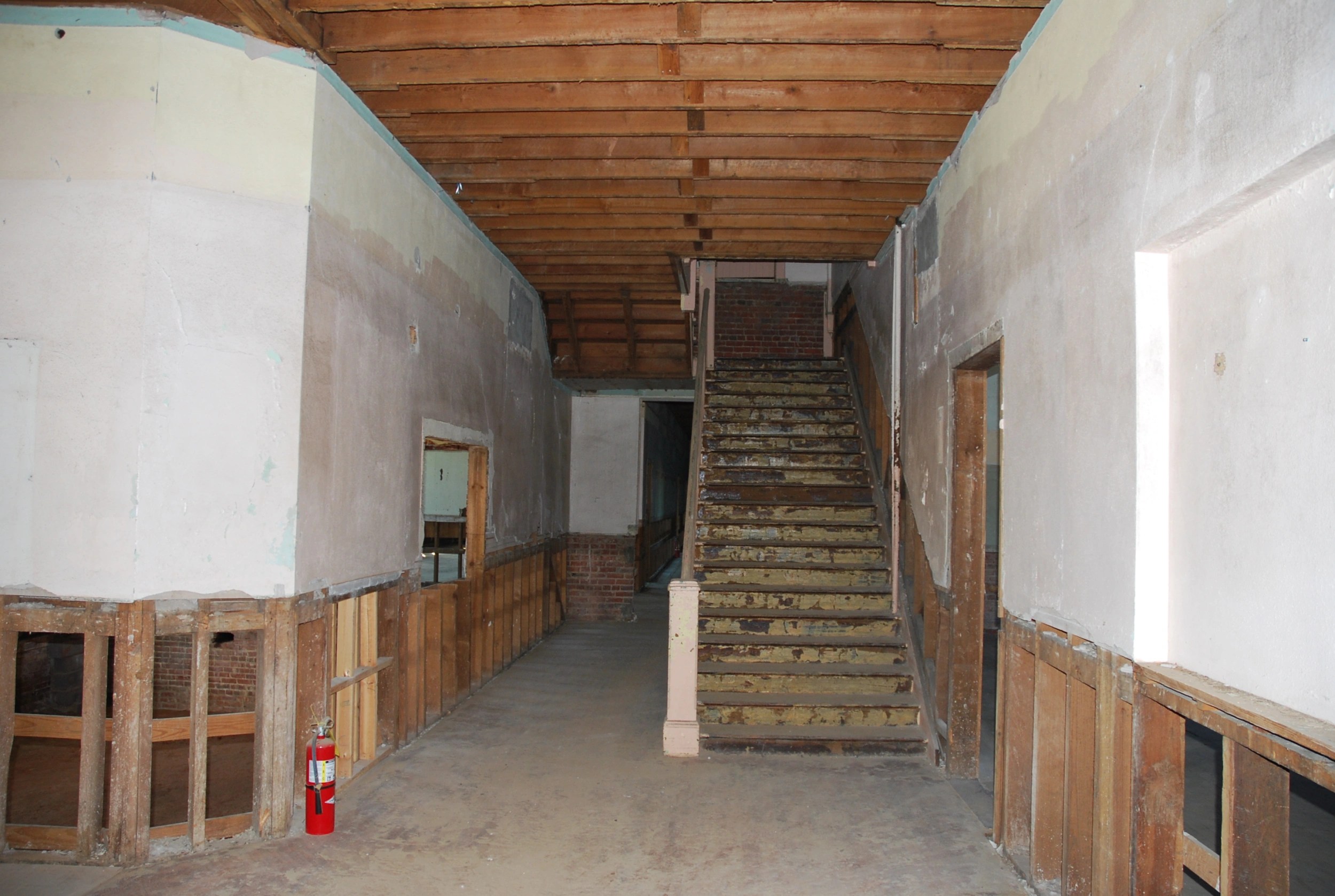

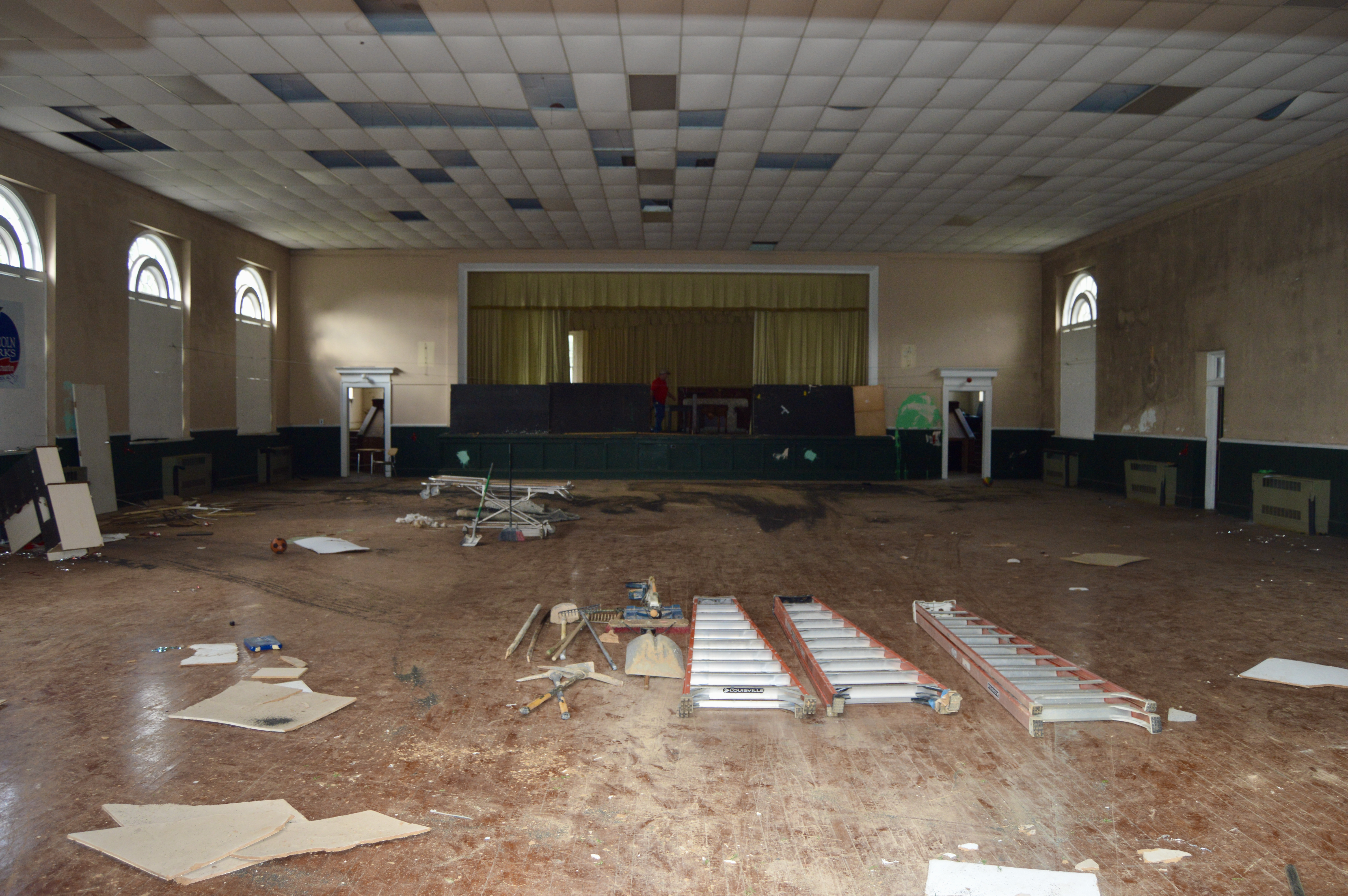
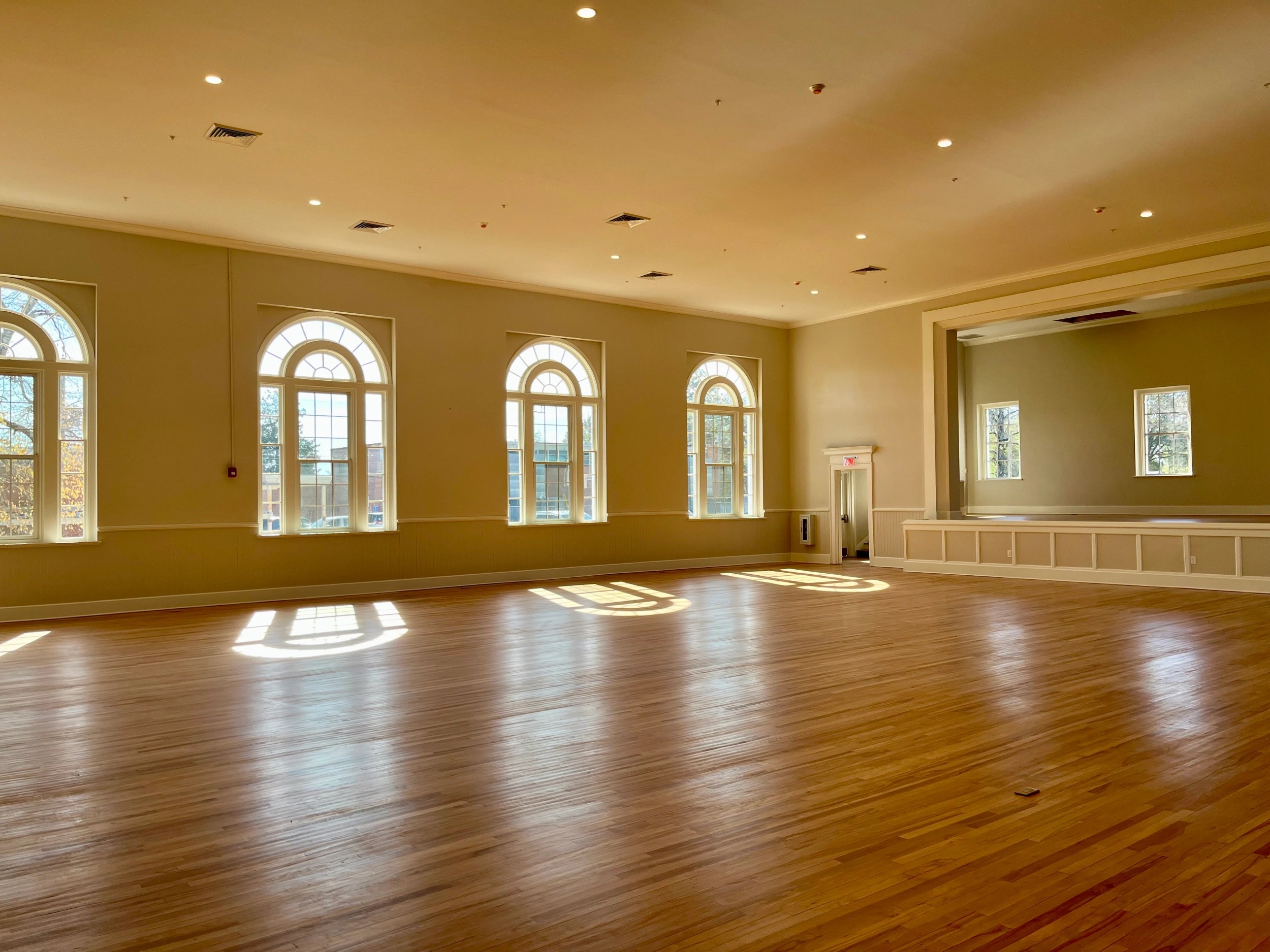
Historic rehabilitation tax credits are invaluable tools for preserving our architectural heritage and revitalizing communities. They offer significant financial benefits, making it possible to restore and repurpose historic buildings. Lathan Development specializes in guiding property owners through the HTC process. Contact us to learn how these incentives can support your next project.
 Lathan Development
Leave a comment