

Understanding the Terminology of Historic Tax Credits
Navigating the world of Historic Tax Credits (HTCs) can be daunting, especially with the different terms and acronyms used – what are QREs, SHPO, and Parts 1, 2, and 3? And what do they have to do with the historic tax credit?
Here, we break down the essential concepts and terms related to HTCs, making it easier to understand and leverage these valuable incentives for historic building rehabilitation.
THE BASICS
Historic Tax Credits (HTC)
Historic Tax Credits (HTC) are financial incentives provided by the federal government and 39 state governments to encourage the rehabilitation and reuse of historic buildings, making restoration projects more financially viable. These incentives provide a historic building owner with an income tax credit if the owner completes a “substantial rehabilitation” of the structure. After the rehabilitation project is complete, the building must then maintain an income-producing purpose (like commercial, industrial, or rental residential) for at least five (5) years.
Qualified Rehabilitation Expenditures (QRE)
Qualified Rehabilitation Expenditures (QRE) are the costs incurred during the rehabilitation of a certified historic structure that qualify for HTCs. These expenses typically include hard and soft costs related to construction, such as labor, materials, and certain fees for architects and consultants, but exclude costs like acquisition and new construction. The Internal Revenue Service (IRS) provides guidelines that list common QREs. The percentage of QREs that can be claimed for the income tax credit varies according to the different federal and state programs.
Certified Historic Structure
To qualify for HTCs, a building must first be a “certified historic structure.” The building must either be listed individually on the National Register of Historic Places or must be considered a contributing structure within a listed National Register historic district to qualify. For official certification, the HTC applicant must then submit documentation that demonstrates the building’s historic significance.
Standards for Rehabilitation
The Secretary of the Interior’s Standards for Rehabilitation are a set of ten (10) criteria that are used to determine if a rehabilitation project qualifies as a certified rehabilitation. The accompanying Guidelines and Preservation Briefs outline best practices for the preservation and reuse of historic buildings. These standards ensure that any rehabilitation work, including repairs, alterations, and new additions, maintains the historic integrity and character of the building.
THE AGENCIES
National Park Service (NPS)
The National Park Service (NPS), a federal agency housed within the U.S. Department of the Interior, administers the Federal Historic Preservation Tax Incentives Program. The NPS reviews and certifies rehabilitation projects to ensure they meet the standards required to qualify for federal HTCs.
State Historic Preservation Office (SHPO)
Each state and U.S. territory has a State Historic Preservation Office (SHPO), which plays a crucial role in the historic preservation process. The SHPO reviews and approves applications for state HTCs, ensuring that projects comply with preservation standards. The SHPO also serves as the first point of contact for the federal HTC applications – it reviews all federal HTC applications for completeness and accuracy before sending the application to the NPS with an official recommendation that the proposed project meets the specified standards.
Alabama Historical Commission (AHC)
The Alabama Historical Commission (AHC) is the SHPO for Alabama, and it is responsible for overseeing historic preservation efforts throughout the state. The AHC administers the state-level historic tax credit program and works closely with property owners to ensure that rehabilitation projects meet the necessary standards.
THE CREDITS
Federal Historic Rehabilitation Tax Credit
The Federal Historic Preservation Tax Incentive program offers a 20% income tax credit for the substantial rehabilitation of a certified historic structure. The application and review process are broken down into three parts:
- Part 1: This part involves certifying that a building is a historic structure. It requires documentation and research to demonstrate the building’s historic significance and its present appearance.
- Part 2: This part outlines the proposed rehabilitation work for a building. Detailed plans and descriptions of the work to be done must be submitted to ensure it complies with the Standards for Rehabilitation.
- Part 3: This part is the final certification, submitted after construction is complete. It confirms that the completed work meets the Standards and reflects the work proposed and approved in Part 2.
Alabama Historic Rehabilitation Tax Credit
The state of Alabama’s HTC program offers a 25% refundable tax credit for owners who substantially rehabilitate income-producing historic properties that are listed in or eligible for listing in the National Register of Historic Places and are 75 years old or older. Like federal HTCs, the program has a three-part application process:
- Part A: This initial application confirms the building’s eligibility as a qualifying historic structure that is 75 years or older and historically significant.
- Part B: This part details the scope of the rehabilitation work, similar to the federal Part 2, and includes information about the project’s potential economic impact for its region and the state of Alabama.
- Part C: This is the final certification, verifying that the completed project adheres to the approved plans and standards, qualifying for the state tax credit.
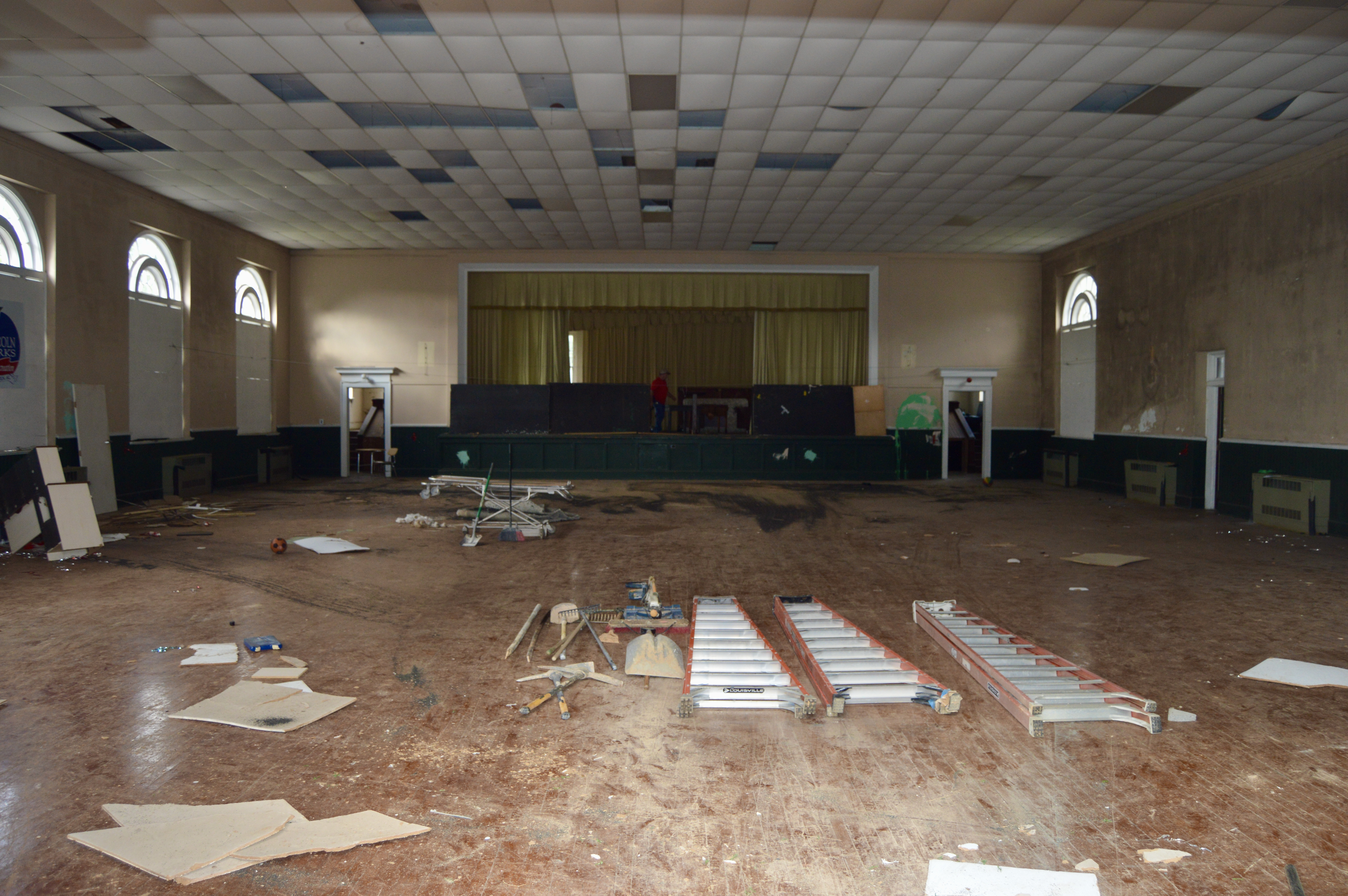
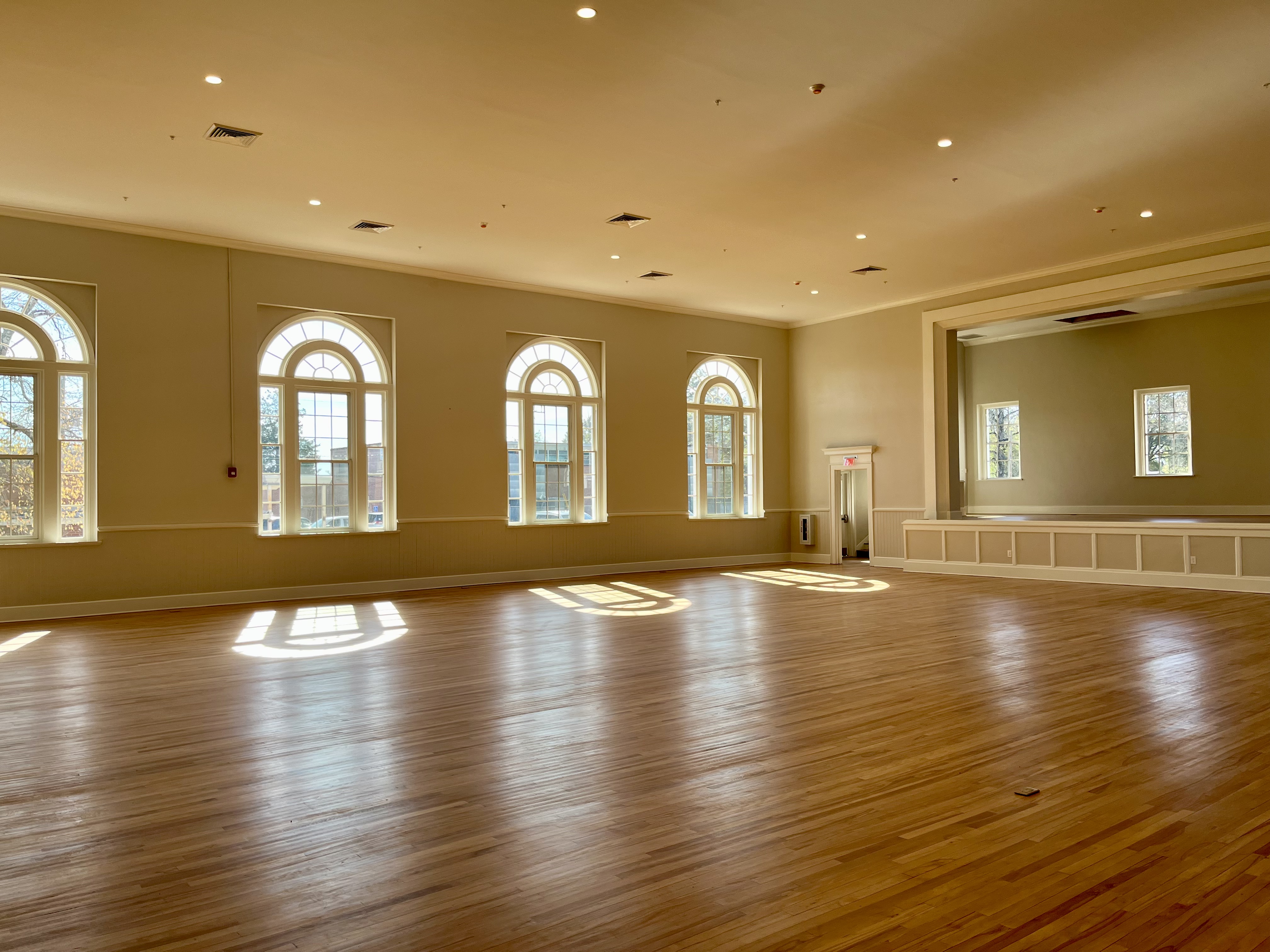
Understanding these terms and processes is key for successfully navigating the world of historic tax credits. By leveraging HTCs, property owners can preserve the historic character of their buildings while making costly rehabilitation projects more financially viable.
If you’re considering a historic rehabilitation project and need expert guidance, Lathan Development is here to help. Our team has extensive experience in leveraging HTCs and managing development, ensuring your project meets all necessary standards while maximizing available tax credits. Contact us to learn how we can assist you.
 Lathan Development
Leave a comment